2026-04-02 · 8 min read
What spaced repetition actually means
Spaced repetition means seeing the same information multiple times with increasing intervals. Instead of repeating a word ten times in one minute, you bring it back after hours, then days, then longer windows.
This timing matters because memory weakens over time. If you review too late, you must relearn from scratch. If you review too early, you waste time. The goal is to review near the forgetting edge, where recall is effortful but possible.
Why this works better than massed practice
Massed practice feels productive because answers become easy inside one session. But the effect is often short-lived. Many learners confuse short-term fluency with long-term retention.
Spaced repetition intentionally creates small difficulty during recall. That effort is not a bug. It is the mechanism that strengthens memory traces and improves future recall.
How WordCraftVillage applies the idea
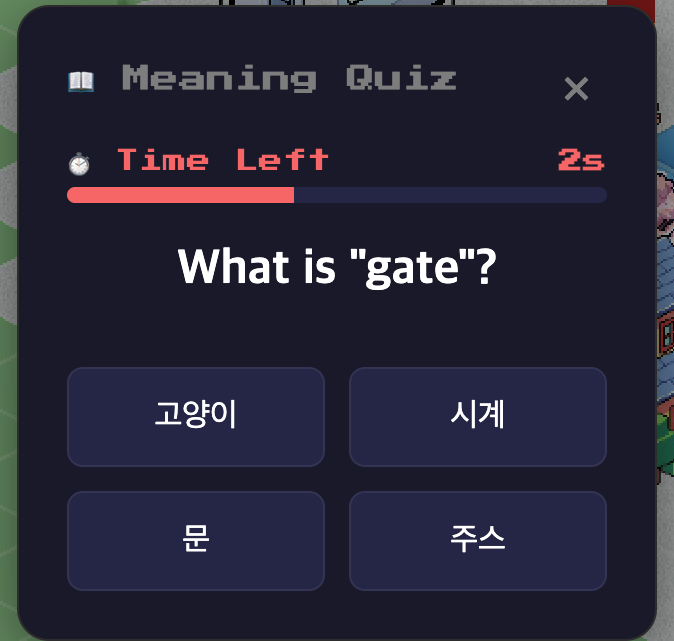
In WordCraftVillage, quiz outcomes influence what you meet again and when. Weak words tend to reappear sooner, while stable words wait longer.
You do not need to calculate intervals manually. Your role is to keep sessions consistent and process due reviews first. The system can only optimize timing if you keep feeding it recent answer data.
A practical weekly protocol
Use a simple rule for one week: start each session with due reviews, then add a small amount of new words only if backlog is controlled.
If accuracy drops for several sessions, reduce new input and temporarily lower difficulty. That recovery phase often restores retention faster than forcing harder content.
Common mistakes learners make
Mistake one: adding too many new words before stabilizing review load. This causes review debt and makes sessions emotionally heavy.
Mistake two: skipping easy review days because they feel less exciting. Consistency on easy days is exactly what keeps long-term memory from collapsing.
Mistake three: treating one high-accuracy day as proof of readiness to level up. Promotion should follow trends, not isolated wins.
Action checklist for today
Run one short quiz round, then finish due reviews. Track only two numbers this week: completed days and review accuracy trend.
After seven days, adjust deck level by data, not mood. If the trend is stable, move up carefully. If unstable, keep the same deck and preserve rhythm.